Are you interested in hydroponics , or gardening without soil, and wondering: Which substrate is right for me? Then you've come to the right place! In this article, you'll get a comprehensive overview of the best substrates for hydroponics , their advantages and disadvantages—and a practical tip on how to get started right away.
What is a hydroponic substrate?
In hydroponics , plants grow not in soil, but in a neutral support material – the so-called substrate . This supports the roots, stores water, and provides sufficient oxygen. The plants obtain their nutrients from the water, not from the substrate itself.
A good hydroponic substrate is:
• Airy and loose
• Water-retaining, but not too wet
• Germ-free
• Environmentally friendly
• Easy to handle
But which is the best substrate for hydroponics ? Here's a comparison of the most popular materials.
1. Coconut fiber – sustainable, effective and perfect for beginners
Coconut fiber (also known as coco coir ) is extracted from the shell of the coconut—a byproduct that was often simply discarded in the past. Today, it is a popular hydroponic substrate , especially in indoor home gardens.
✅ Advantages:
• Environmentally friendly & biodegradable
• Stores water excellently
• Good aeration of the roots
• Clean, light & odorless
• Perfect for germination & growth
⚠️ Disadvantages:
• Must have the correct pH and EC values before use
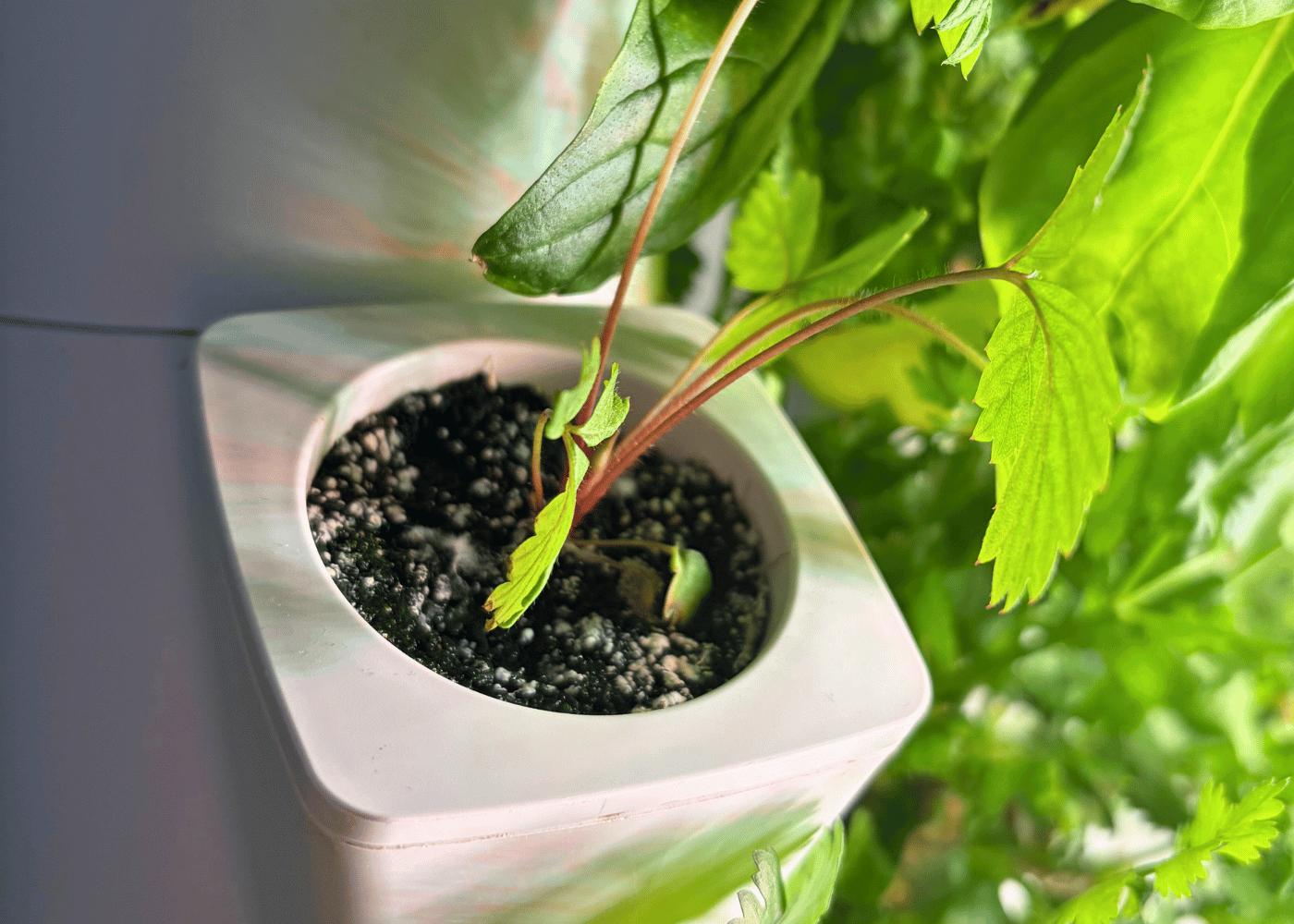
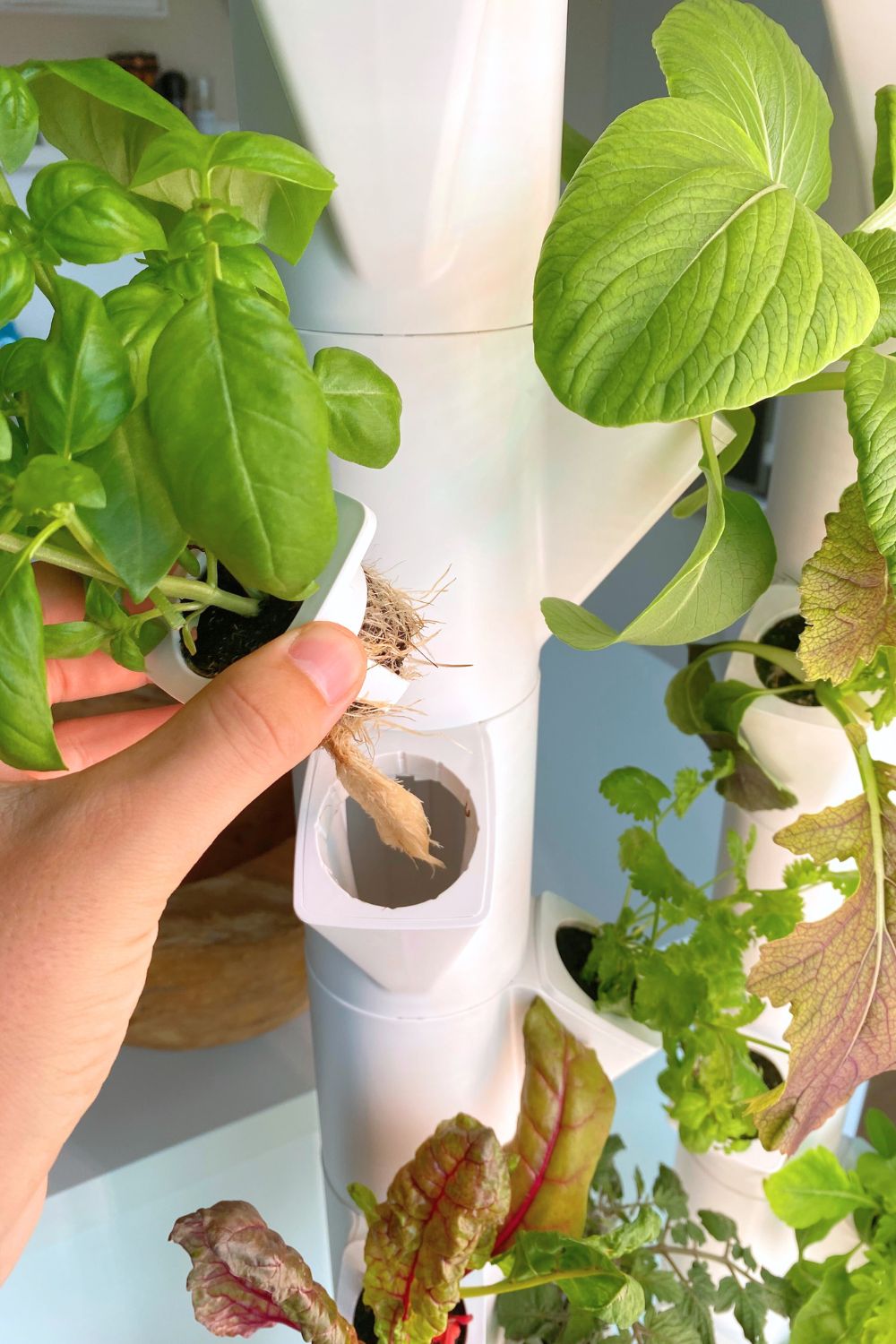
💡 Tip: Everleaf's plant capsules are made from 100% pre-conditioned coconut fiber – with optimal pH and EC values. This ensures a particularly high germination rate and healthy plants – without any effort.
2. Rock wool – popular with professionals, but not without
Rockwool is made from molten rock and spun into a cotton-like material. It is widely used in professional hydroponics.
✅ Advantages:
• Very good water and air storage
• Uniform structure
⚠️ Disadvantages:
• Not biodegradable
• May irritate skin and respiratory tract
• Complex disposal
• Energy-intensive production
👩🌾 Conclusion: Rock wool is rather unsuitable for the hobby garden at home – not least because of the difficult disposal.
3. Expanded clay – durable and reusable
Expanded clay consists of fired clay balls and is particularly robust.
✅ Advantages:
• Durable & reusable
• Good ventilation
• Stable – ideal for large plants
⚠️ Disadvantages:
• Heavier than other substrates
• Must be cleaned regularly
• Low water storage
🏡 Tip: Ideal for larger plants and advanced users, but not suitable for seedlings.
4. Perlite – light and airy, but not particularly water-retaining
Perlite is a volcanic rock that expands when heated and becomes very light.
✅ Advantages:
• Very good ventilation
• Mold-resistant
• pH-neutral
⚠️ Disadvantages:
• Low water storage
• Disintegrates easily
• Dusty – face mask recommended
👩🌾 Conclusion: More suitable as an additive to other substrates, not as a stand-alone solution.
5. Vermiculite – stores a lot of water, but more for mixtures
Vermiculite is a foamed mineral with high water storage capacity.
✅ Advantages:
• Holds a lot of water
• pH-neutral
• Light and handy
⚠️ Disadvantages:
• Low ventilation
• Too much water can lead to root rot
👩🌾 Conclusion: Ideal in combination with airy substrates such as coconut or perlite.
6. Peat – once popular, now out of date
Peat comes from bogs and has long been used in horticulture. Today, it is viewed increasingly critically.
⚠️ Disadvantages:
• Destroys valuable moorland landscapes
• Poor ecological balance
• Soon to be banned in many countries
🚫 Conclusion: Not recommended from an environmental point of view – better to use sustainable alternatives such as coconut fiber.
Direct comparison: Which hydroponic substrate is right for you?
|
Substrat |
Water retention |
ventilation |
sustainability |
simplicity |
Reusable |
|---|---|---|---|---|---|
|
Coconut fiber |
⭐⭐⭐⭐ |
⭐⭐⭐ |
⭐⭐⭐⭐ |
⭐⭐⭐⭐ |
❌ |
|
rock wool |
⭐⭐⭐⭐ |
⭐⭐⭐ |
⭐ |
⭐ |
❌ |
|
expanded clay |
⭐⭐ |
⭐⭐⭐⭐ |
⭐⭐ |
⭐⭐ |
✅ |
|
Perlite |
⭐ |
⭐⭐⭐⭐ |
⭐⭐ |
⭐⭐ |
❌ |
|
Vermiculite |
⭐⭐⭐⭐ |
⭐⭐ |
⭐⭐ |
⭐⭐ |
❌ |
|
peat |
⭐⭐⭐⭐ |
⭐⭐ |
❌ |
⭐ |
❌ |
Conclusion: The best substrate for hydroponics at home?
For an indoor garden at home, coconut fiber is clearly the first choice:
• ✔️ Sustainable & natural
• ✔️ High germination rate
• ✔️ Easy to use
• ✔️ No mess – perfect for kitchen, living room or balcony
With Everleaf's pre-made plant capsules, you can get started right away – no measuring, prepping, or repotting required. Simply insert, add water, and watch your little garden grow daily.
🌱 Getting started with hydroponics has never been easier!
Whether you want fresh herbs for your kitchen, experiment with salads, or even grow flowers – with a well-designed hydroponic system like the Everleaf Garden and high-quality coconut fiber substrates, you can achieve this with ease.
Start your own indoor garden with the Everleaf Garden – no green thumb required. With our coco fiber capsules and automatic irrigation, your vegetables will practically grow themselves.